Let’s continue on with the subject of who needs vaccination. This time around, I’m going to discuss on the importance of getting your child
vaccinated.
Get your child vaccinated
As we all know, children are the ones easiest to get infected by any
diseases. So, it is important to vaccinate your children. This is because, by immunizing
you child, you can save their life and elongate their mortality.
I know some parents don't have the heart to let people stick a needle in their tiny baby's arm and have them suffer the trauma of it. But when you think about it again, do you have the heart to watch your child suffer in a hospital bed, wired with more needles in their tiny and rigid body, from unwanted diseases? With the addition of the amount of money that you are going to spend on medical expenses. It is better to stick with vaccination because you know what they say, prevention is better than cure and you want to be safe than sorry.
So if you have yet to vaccinate your child, do it now!
In my first post, I touched on the subject of who needs vaccine. Well, in this post we’re going to discuss that a bit.
Let’s start with yourself.
Vaccination starts with you
Have you gotten yourself vaccinated? Okay, so maybe you have
when you were little. But what about the age that you are now? There is a
possibility that you are no longer protected. Vaccines requires a booster if
you want to remain protected especially from diseases like whooping cough and
tetanus. So keep in mind that you need to get yourself vaccinated every 10
years after your first vaccine to keep yourself from getting infected by unwanted diseases.
On the next post, I'm going to discuss on the importance of immunizing your child. Stay tuned!
There are a lot of common misconception of vaccines but for this post, I'm just going to share with you guys a few.
Here are 4 common misconception of vaccines:
1. Vaccines can cause autism
This is actually not true because autism is actually a result of genetic predisposition. Plus, this claim was a fraud. Oh, and not to mention, all vaccines undergo extensive safety testing. It is safe to say that this claim has been debunked.
2. Natural immunity is better
Hm, although this is true, it is better to get vaccinated. Let's say if someone is infected with measles and they are not vaccinated, there is a higher chance that they might die from it since measles can cause brain inflammation. So that is why vaccine-induced immunity is better than natural immunity. Besides, the only pain you're going to feel after getting a shot is soreness. That's not so bad right?
3. Vaccines contain toxic substances
Say what?!
Alright, this bit might be a little true. However, the use of toxic substances have totally stopped being used by scientists in the late 90s. So, there's no need to fret now friends.
4. You can't be vaccinated if you have a cold or a fever
It’s perfectly safe to receive vaccinations while fighting off a cold or fever it's just that sometimes, it can be hard for you and healthcare provider to differentiate between vaccine-induced symptoms and sickness-related symptoms. That's why waiting out is important so that it will be easier for both parties.
That's it. Those are the common misconception of vaccines. If you're curious, come over to the World Health Organisation (WHO) website to find out more of these misconceptions.
Oh! Not to forget, here's a funny video on debunking the misconception of vaccines:
In this day and age, it is hard to believe that there are people who still are reluctant by the validation of the scientific discoveries that are vaccines. It is true that these vaccines are man-made but if you look back on my last post, a lot of them have prevented from many diseases, some even have eradicated it.
Take a look at these statistics:
The decreasing number of death by Measles in England & Wales
Decreasing number of death after the vaccination of Whooping Cough in England & Wales
The decreasing number of death after vaccination by a university in Sweden
Have you guys watched the video from the last post? If so then you guys might’ve guessed what this post is about (even though the title pretty much gave it away LOL).
Okay alright, I know what everyone is thinking right now, ugh history! But hey, it’s all good. I got everyone covered. It’s not going to be all boring words, pictures and videos will be provided too.
After much extensive research, I really find that the history of vaccine is fascinating and I really hope that you guys think it is too.
To make it short and simple, I’m going to provide you guys a timeline:
1.429 BC:
A Greek historian, Thucydides, observed that those who survived the smallpox plague in Athens did no become re-infected with the disease.
Thucydides
2.900 AD:
Variolation was the first primitive vaccine that was discovered by the Chinese and it is used to prevent smallpox.
Smallpox
3.1700s:
The use of variolation was then spread to Turkey and after that in England in the early 18th century. At the time, Europe was suffering most of smallpox but with the existence of variolation, the rates of the disease decreased.
Chinese Variolation
4.1796:
A British physician by the name of Edward Jenner discovered vaccination.
Edward Jenner
5.1803:
With the support of vaccination, Jenner was the funded by the government which he then form the Royal Jennerian Institute in 1803. After that, vaccination became popular throughout Europe and US.
6.1870s:
Even though vaccination was openly accepted by many, there were still some who found it hard to believe that it actually worked. It also doesn’t help that at this time around, vaccination was made compulsory because the groups that didn’t believe in it thought that it negates their civil liberties.
7.1880s:
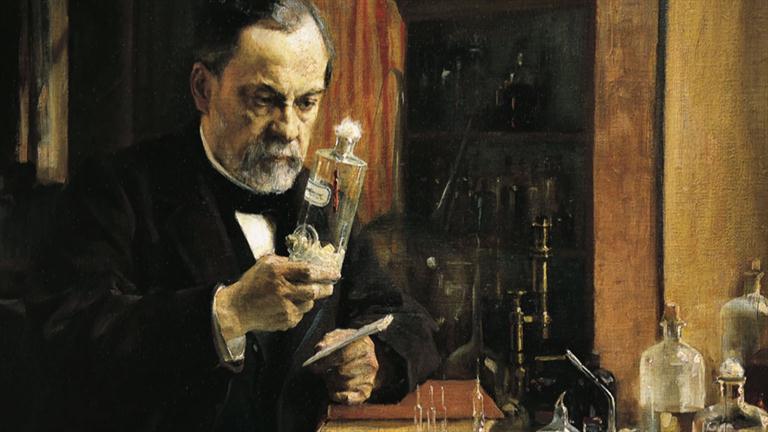
Around this time, a French chemist by the name of Louis Pasteur improved vaccination by developing a rabies vaccine. With the understanding of the science of immunology, other vaccines were created.
Louis Pasteur
8.1890:
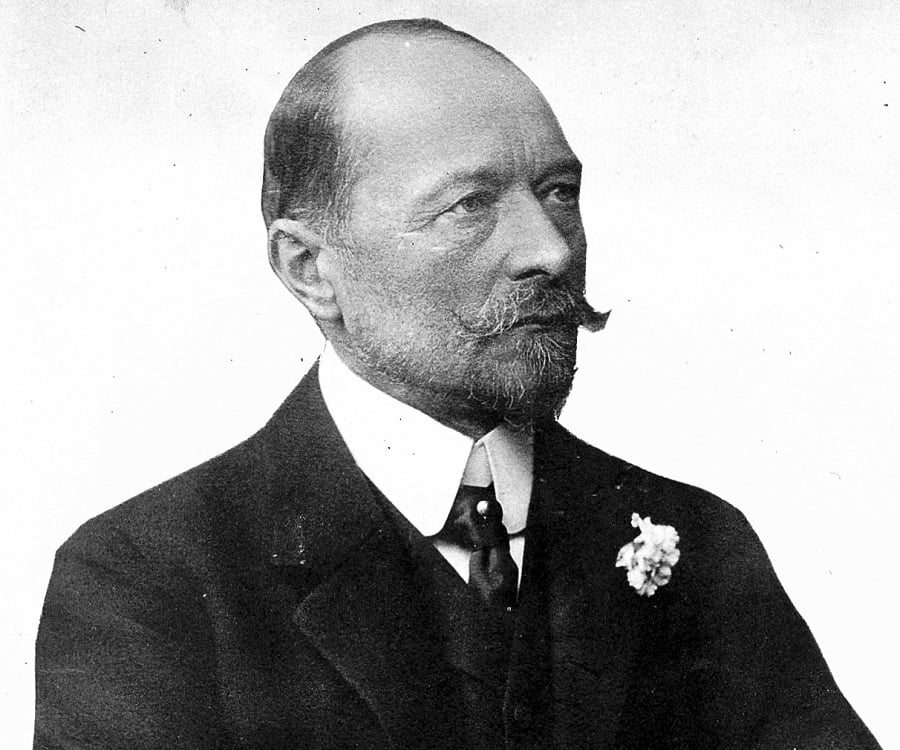
A German scientist by the name Emil von Behrig was the first to be awarded with the Nobel Prize in Physiology or also known as Medicine.
Emil von Behring
Soon after, a Japanese physician and bacteriologist Shibasaburo Kitasato discovered the antitoxins which he demonstrated by injecting animals with a small amount of tetanus toxins. Resulting to the animals becoming immune to the disease.
Shibasaburo Kitasato
8. 1920s:
At the end of 20s, vaccines were spread across the globe and even though the early vaccines were considered crude, it got the job done. The first vaccination programmes dramatically reduced the number of deaths from disease which established the concept of preventative public health measure.
9. 1955:
In this year, Polio vaccine was introduced and this vaccine had dramatically reduced the number of cases of polio.
10. 1965:
The World Health Organization (WHO) decided to try and eradicate smallpox across the world by using the smallpox vaccine on a global scale.
11. 1980:
By the time smallpox was finally eradicated from the world.
12. 2008:
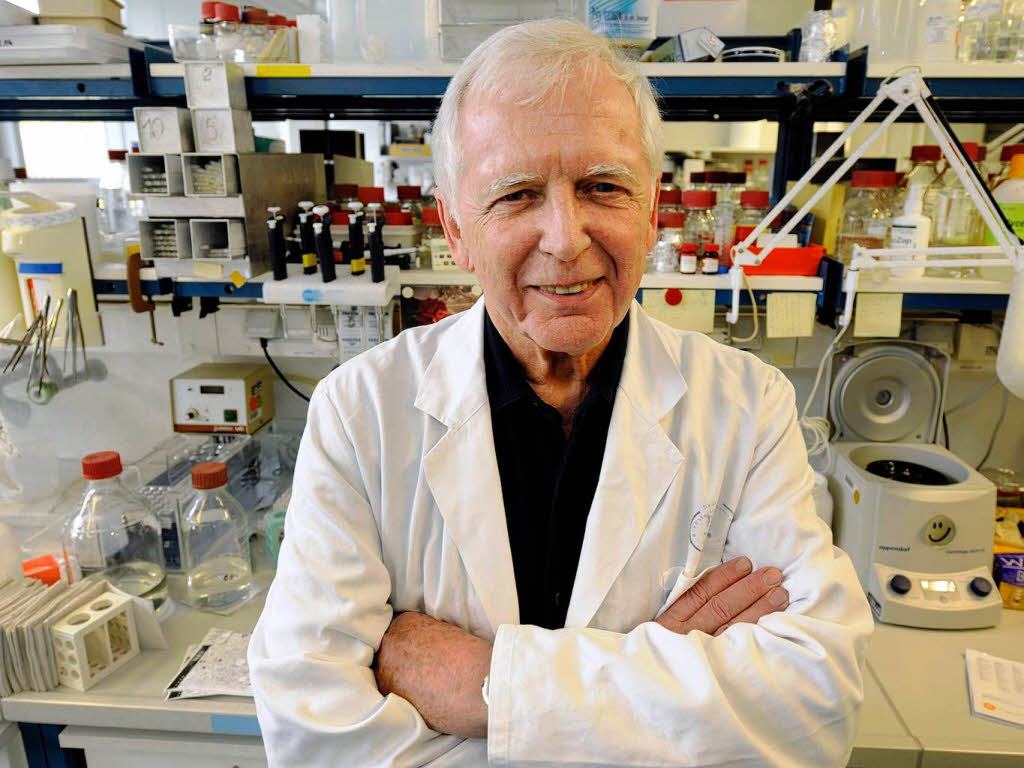
Professor Harald zur Hausen, a German virologist, discovered that cervical cancer was caused by a virus and developed a vaccine for the disease. The vaccine is currently available around the world.
Harald zur Hausen
13. 2013:
The National Health Service (NHS) vaccination programme introduced the rota virus vaccination for babies and a shingles vaccine for over-70s. At the same time a children's flu vaccine was launched. However, this vaccine is not the normal injection type of vaccine but it is a nasal spray.
14. 2015:
The NHS vaccination programme then introduced the Men B vaccination for babies to prevent babies from meningitis B. This programme is the first national, routine, universal and publicly funded by Men B vaccination programme in the world.
See? That wasn't all too bad right?
If you still think this is too much of a hassle to read then hey, it's cool. I got you.
Here's a short video on the history of vaccine:
I hope this post clarified on the history of vaccine and that you understand how far vaccines have come. Till next time! Sources:
For the first post of this blog, I’m
going to brief you guys on what this blog is all about.
Alright, first of all, this blog is
dedicated for the very important
existence of vaccines. The reason why I’m so keen on to dedicate a blog on
the subject is because I really think that some people overlook the importance
of it and what it does. So with this blog, I really hope that I could raise awareness on the importance of
vaccines and give exposure on the
subject.
Some of you might already be
wondering, what are vaccines? Who invented vaccines? What does it do? Who needs
it? Where does it come from? etc
To answer all these questions, I
might need more than one post. However, let’s start with the easiest.
1.What
is vaccine?
Okay, so if I (or anyone) were to
Google the definition of vaccine, this is basically it comes up with:
“Vaccine is a substance used to stimulate the production of antibodies
and provide immunity against one or several diseases, prepared from causative
agent of a disease, its products, or a synthetic substitute, treated to act as
antigen without inducing the disease.”
That’s a lot to digest and not to
mention, a bit of a mouthful. Okay, to make it short and understandable,
vaccine is basically a shot that you take to boost the production of your
antibodies and provide immunity to prevent from diseases. 2. Who needs vaccine? Ah, the answer to that very question is quite simple, really. Basically, everyone needs vaccine. You, your child (if you have one), your pets, parents, friends, well everyone really!
Does that answer your questions?
If so, bring in the dancing lobsters because my job here is done (for now that
is)!
Till then, I'll see everyone on the next post!
P/S: Watch
the video below for a little peek of the next post.